







Know the Kicks. Know the Signs. Know the Sleep.

Roughly 21,000 babies are stillborn in the United States every year, about 1 in every 183 births, according to the Centers for Disease Control and Prevention’s latest three-year average.*
It's a number worth sitting with, because it also carries real hope: research shows a meaningful share of stillbirths are preventable, and expectant parents themselves are one of the most powerful tools we have.
That's the spirit behind National Stillbirth Prevention & Awareness Day, observed every September 19th. It's a day to celebrate how far prevention science has come and to make sure every expectant parent has access to the simple, free tools that help them feel confident and connected to their baby's wellbeing.
A Simple Habit That's Already Making a Difference
Since 2008, the nonprofit Healthy Birth Day, Inc. has led a program called Count the Kicks, which teaches expectant parents an easy daily habit: getting to know their baby's movement patterns in the third trimester. Pick a consistent time of day, start a timer, and note how long it takes to feel 10 movements. After a few sessions, most parents start to recognize their baby's normal rhythm, which makes it much easier to feel confident about when to check in with a provider.
The results have been encouraging. In Iowa, where Count the Kicks began, the organization reports that the stillbirth rate dropped roughly 32% over the program's first decade, while neighboring states without the program stayed relatively flat. Today, the free Count the Kicks app is available in more than 20 languages across more than 30 states.
The heart of the message is empowerment: parents don't need special training or equipment to feel closer to their baby's health during pregnancy. They need a few minutes a day, some good information, and the confidence that comes with knowing what's normal for their little one.
How Kelli Found Her Confidence
Kelli Arce's family has known deep loss: her niece Jordan to SIDS, and her own daughter Ava to stillbirth. When she later became pregnant with twins, Kelli made a choice. She wanted every bit of information and reassurance available to her.
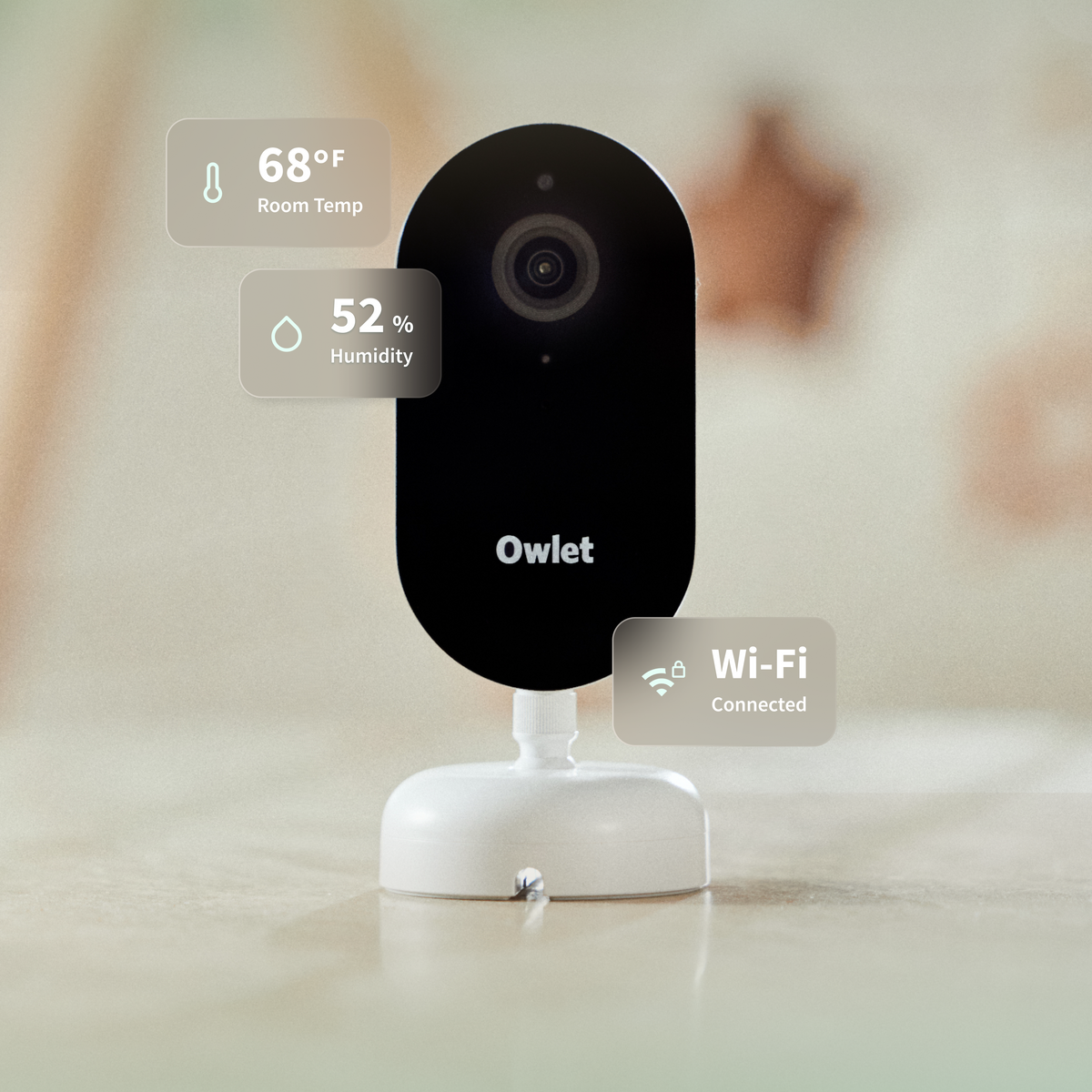
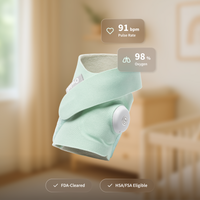
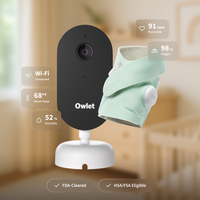
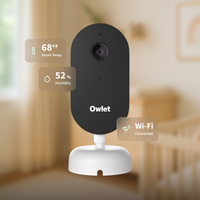
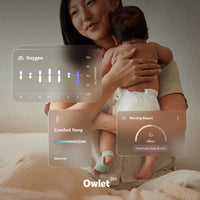
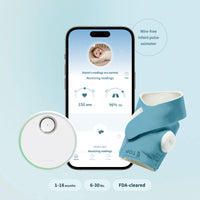
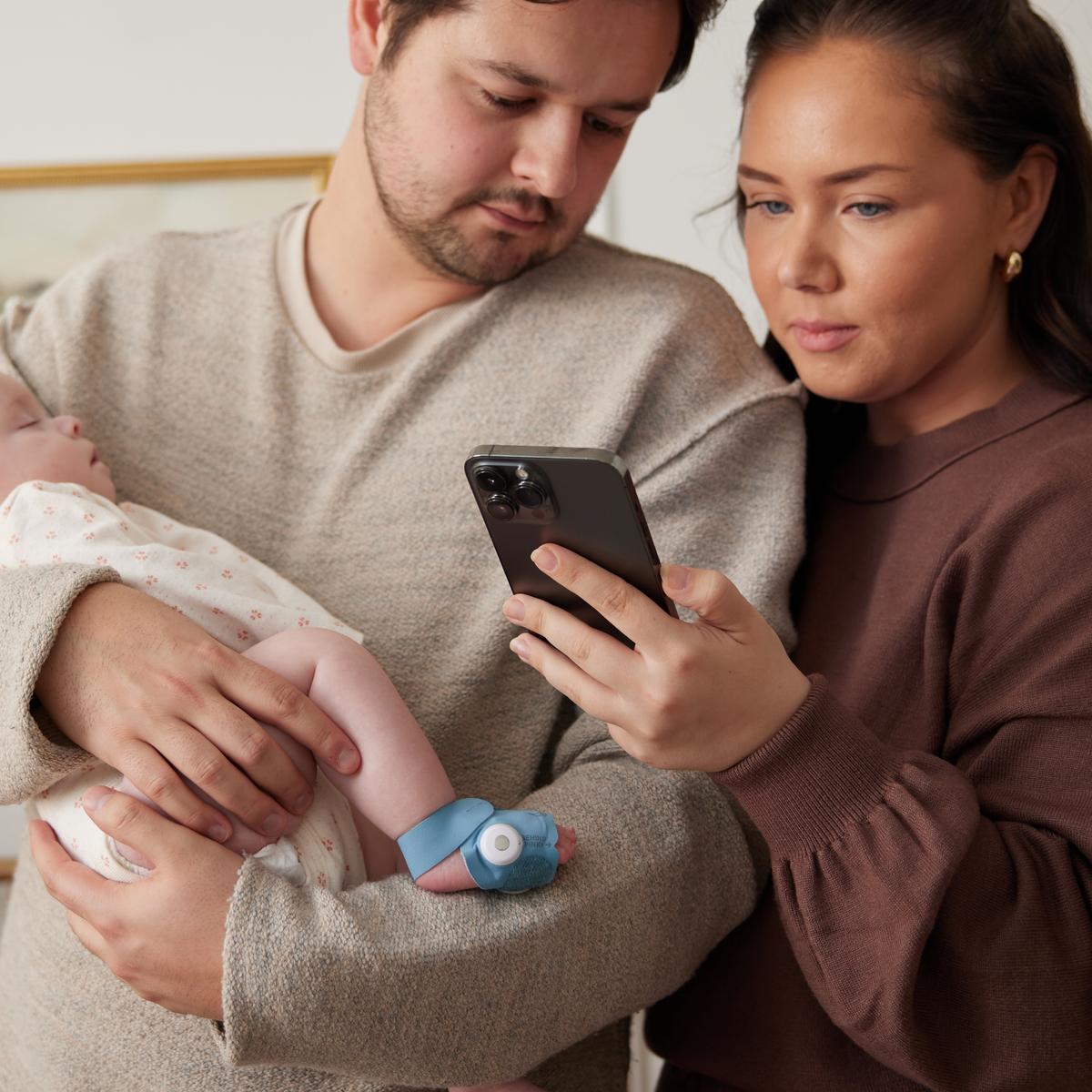
During her pregnancy, she used an at-home Doppler to check in on her twins' heartbeats, which she says brought her real comfort along the way. When Cooper and Kamden came home from the NICU at 33 weeks, Kelli and her husband had Owlet Dream Sock® monitors ready to go, giving them a window into how their babies were doing even while they slept.
“As a working mom, [monitoring] gave me a huge peace of mind while I wasn't home with them,” Kelli says. “At any point, I could check to make sure they were okay.”
That awareness helped Kelli and her husband respond quickly and calmly a few times in those early months, including noticing a red notification when Cooper needed to be gently roused during a deep sleep. For Kelli, having that information wasn't about living in fear. It was about feeling grounded and prepared.
Kelli's family channeled what they learned into the Butterflies and Birdies Foundation, which now provides Dream Sock monitors to families and CuddleCots to hospital labor and delivery units, sharing the same tools, information, and reassurance that meant so much to Kelli.
Simple Ways Every Expectant Parent Can Feel More Confident
Prevention starts with good information and the confidence to trust it. Here's where to begin:
-
Download the free Count the Kicks app from Healthy Birth Day and start getting to know your baby's movement patterns daily beginning at 28 weeks. It's a small daily habit that can bring real peace of mind.
-
Get to know what's normal for your baby and feel confident reaching out if something changes. Your provider wants to hear from you. Trusting your instincts is one of the most powerful things you can do.
-
Consider tools that help you stay connected to your baby's wellbeing while they sleep. Home monitoring gave Kelli extra reassurance during her twins' early months at home.
-
Seek out good information. Visit Healthy Birth Day for warm, medically reviewed education on stillbirth prevention.
-
Add your voice. Owlet supports the Baby Observation Act (H.R. 2168 | S. 3172), and every name helps show lawmakers why this work matters.
Owlet Cares Is Built on This Same Belief
We partner with organizations like Healthy Birth Day and more than 45 other parent-led organizations around the world because we believe good information and community support help families feel confident and connected. Owlet Cares has donated more than $150,000 to SIDS research, including funding Dr. Carmel Harrington, a researcher who lost her own son to SIDS and has spent her career since helping other families. Since 2021, we've contributed more than $2.5 million in product and charitable support to community organizations, including the Butterflies and Birdies Foundation.
This September 19th, we want every expectant parent to know: you're not powerless, and you're not alone. There are simple, evidence-based tools available today that can help you feel closer to your baby and more confident in your own instincts and a whole community of parents and partners ready to support you along the way.
If you or someone you know has experienced the loss of a baby, you are not alone. Healthy Birth Day offers resources and community for grieving families.
The quotes, stories, and experiences shared in this post are those of the individual(s) featured and do not necessarily reflect the views of Owlet. This content is intended for informational and educational purposes only and is not a substitute for professional medical advice, diagnosis, mental health care, or treatment. If you have questions about your health, your child's health, grief support, or pregnancy after loss, please seek guidance from a qualified healthcare provider or mental health professional.


