




2026 Guide: What to Expect When Your Baby Catches the Flu This Year

The content provided on this blog is intended for informational and educational purposes only. It is not a substitute for professional medical advice, diagnosis, or treatment. Always seek the advice of a qualified healthcare provider with any questions you may have and to learn more about your child's specific needs.
Flu season can feel especially stressful with a baby at home. While it is common for infants to catch influenza during peak months, most healthy babies recover with attentive home care. What’s “normal” when your little one has the flu? Sudden high fever, cough, congestion, poor feeding, and unusual sleepiness are typical. You may also see vomiting or loose stools. This guide explains how baby flu usually unfolds, when to call your pediatrician, simple home-care steps, and how tools like Owlet can help you monitor recovery with greater confidence.
Understanding Baby Flu Symptoms
Baby flu symptoms are the signs of influenza infection in infants and include respiratory and whole-body changes that tend to start abruptly. Flu in babies can look different from adults because infants are more likely to have feeding difficulties, irritability, and faster breathing when sick.
-
What baby flu may look like: sudden high fever (which may be as high as 103–105°F/39.4–40.5°C), cough, stuffy or runny nose, reduced feeds, vomiting or loose stools, and marked fatigue or irritability. Flu symptoms in babies often include a sudden high fever, cough, and fatigue, with some experiencing vomiting or diarrhea, per the AAP and Nationwide Children’s Hospital (see the AAP’s 2025–26 guidance and the Nationwide Children’s overview).
-
Younger infants may show breathing changes (faster rate, flaring nostrils, retractions), which deserve prompt attention.
-
Ask your doctor about diagnostic testing: rapid molecular tests can confirm flu, and combined panels (flu/COVID/RSV) are increasingly available in clinics and some at-home kits. Your pediatrician can advise which test is right during surges and co-circulation periods.
For a quick check, high fever with abrupt onset and notable fatigue points to flu; a slow-onset runny nose with mild symptoms leans more toward a common cold. Because flu, RSV, and COVID-19 can overlap, a test is the surest way to know.
Typical Flu Progression in Infants
Understanding the usual course can reduce anxiety and help you plan care.
-
Onset (first 24 hours): symptoms start suddenly - fever spikes, cough and congestion appear, feeding often drops.
-
Peak (days 2–3): fever and fussiness are usually most intense; sleep disruption is common.
-
Improvement (days 4–7): fever trends down, appetite and energy begin to return.
-
Recovery tail (up to 3–4 weeks): lingering cough or fatigue may persist even after your baby seems “better.”
Most healthy infants recover at home within 3–7 days, but babies do experience complications more often than older children or adults, so keep a close watch and stay in touch with your pediatrician. Nationwide Children’s Hospital notes this typical arc and the possibility of prolonged fatigue after the first week.
Flu duration keywords to know: infant flu recovery often spans a week for main symptoms; baby flu duration can be longer for cough and tiredness; how long baby flu lasts varies by age and underlying health.
Simple timeline at a glance:
-
Day 0–1: Sudden fever, cough/congestion, decreased feeds
-
Day 2–3: Peak fever, crankiness, poor sleep
-
Day 4–7: Fever resolves, appetite improves
-
Weeks 2–4: Cough/low energy gradually fade
Differences Between Baby Flu and Common Colds
The distinction affects care decisions and when to seek testing.
-
The flu is caused by influenza viruses and brings sudden, more severe symptoms.
-
The common cold is triggered by multiple other viruses and usually develops gradually with milder symptoms.
Quick comparison in babies:
|
Feature |
Flu (Influenza) |
Common Cold |
|
Onset |
Abrupt, within hours |
Gradual, over 1–2 days |
|
Fever |
High, often 103–105°F |
Low-grade or none |
|
Energy |
Marked fatigue, clingy or irritable |
Mild tiredness; usually playful at times |
|
Cough |
Dry or then wet; can be intense |
Mild to moderate |
|
Nose |
Congestion present |
Prominent runny/stuffy nose |
|
Appetite |
Often reduced significantly |
Slightly reduced |
|
Body aches |
Common |
Uncommon |
|
Testing |
Flu test or combined flu/COVID/RSV panel when needed |
Usually clinical; testing if symptoms escalate |
The AAP’s seasonal guidance and Nationwide Children’s outline these patterns and emphasize that infants may worsen quickly; if in doubt, ask your pediatrician about testing.
When to Seek Medical Care for Your Baby’s Flu
Call your pediatrician promptly (same day) if you notice:
-
Persistent high fever or fever returning after a brief break
-
Trouble feeding or significantly fewer wet diapers
-
Signs of dehydration (dry mouth, fewer wet diapers than usual, or no tears when crying)
-
Faster breathing, wheezing, or working hard to breathe
-
Unusual sleepiness, irritability, or symptoms that worsen suddenly
Seek emergency care now if your baby has:
-
Difficulty breathing, pauses in breathing, or blue/gray lips or face
-
Severe lethargy, unresponsiveness, or a seizure
-
Signs of dehydration that are progressing (no urination for 8+ hours, very dry mouth, sunken soft spot)
-
Any concerning symptom in a baby younger than 3 months
These red flags align with CDC clinician training for the 2025–26 flu season, which underscores early recognition of respiratory distress and dehydration in infants. When to call a doctor and baby flu questions are common, trust your gut and don’t wait if you’re worried.
How to Care for Your Baby at Home During the Flu
Most babies recover with supportive care. Focus on comfort and hydration.
Home care checklist:
-
Offer small, frequent feeds (breast milk or formula). For older infants, water only as directed by your pediatrician.
-
Keep fever and discomfort managed with medications only under pediatric guidance; never use aspirin in children.
-
Use a cool-mist humidifier and gentle saline drops with suction for congestion.
-
Let your baby rest. Sleep aids recovery.
-
Avoid over-the-counter cough/cold medicines unless your clinician specifically recommends them for your child’s age.
-
Track temperature, feeding, diapers, and energy level to spot trends. Most healthy babies improve in 3–7 days, though cough or tiredness may linger longer, as described by Nationwide Children’s.
If your child is high-risk or very young, your pediatrician may consider antivirals (best within 48 hours of symptom onset); they’ll advise based on current circulation and your baby’s health.
Monitoring Your Baby’s Health with Technology
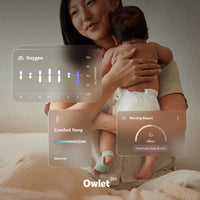
Real-time monitoring can help you keep an eye on trends, especially overnight, when flu symptoms tend to ebb and flow.
-
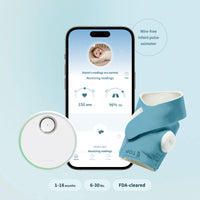
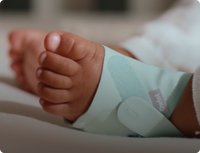
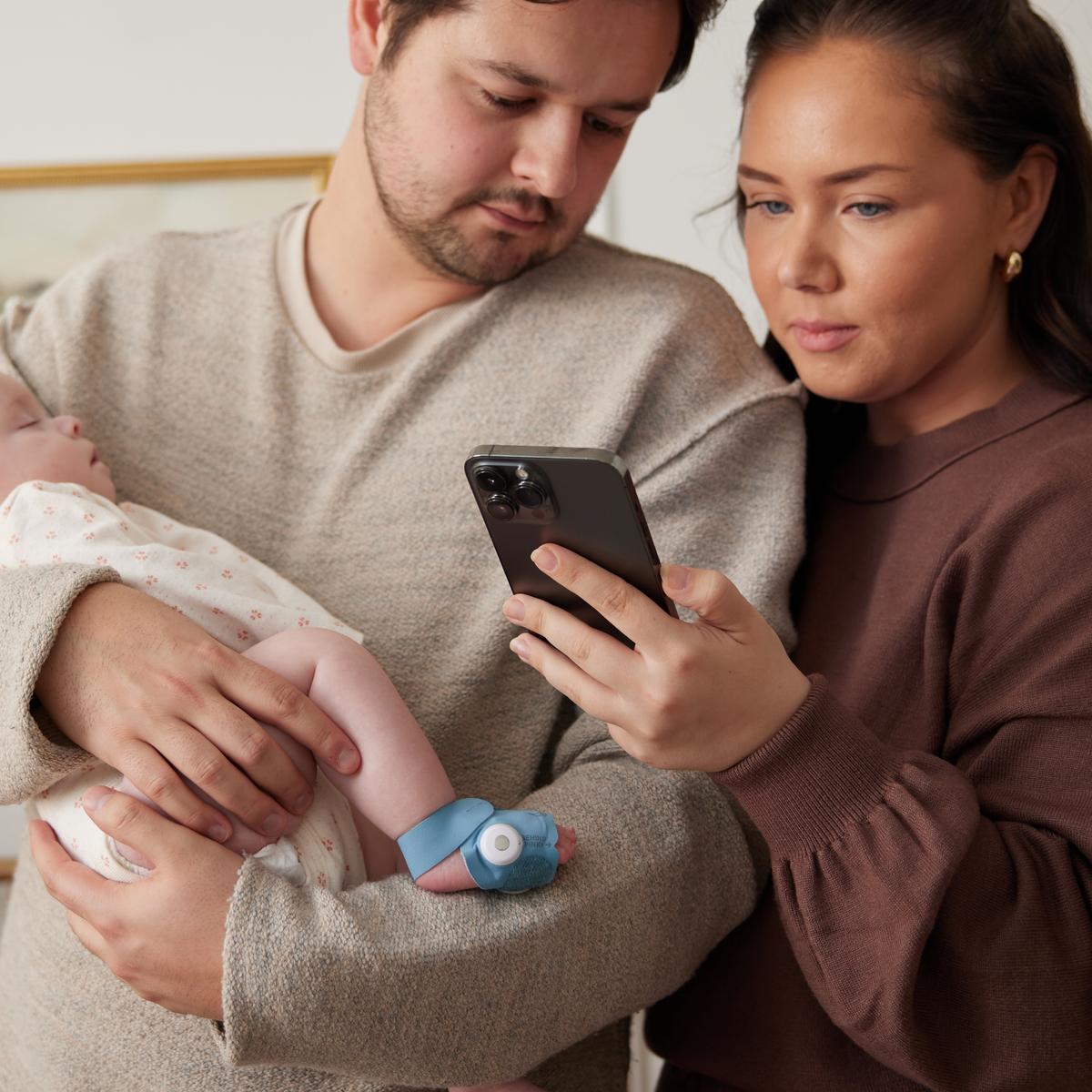
Owlet Dream Sock® is an FDA-cleared pulse oximeter designed for home use for tracking live oxygen and pulse rate in babies 1-18 months old.
-
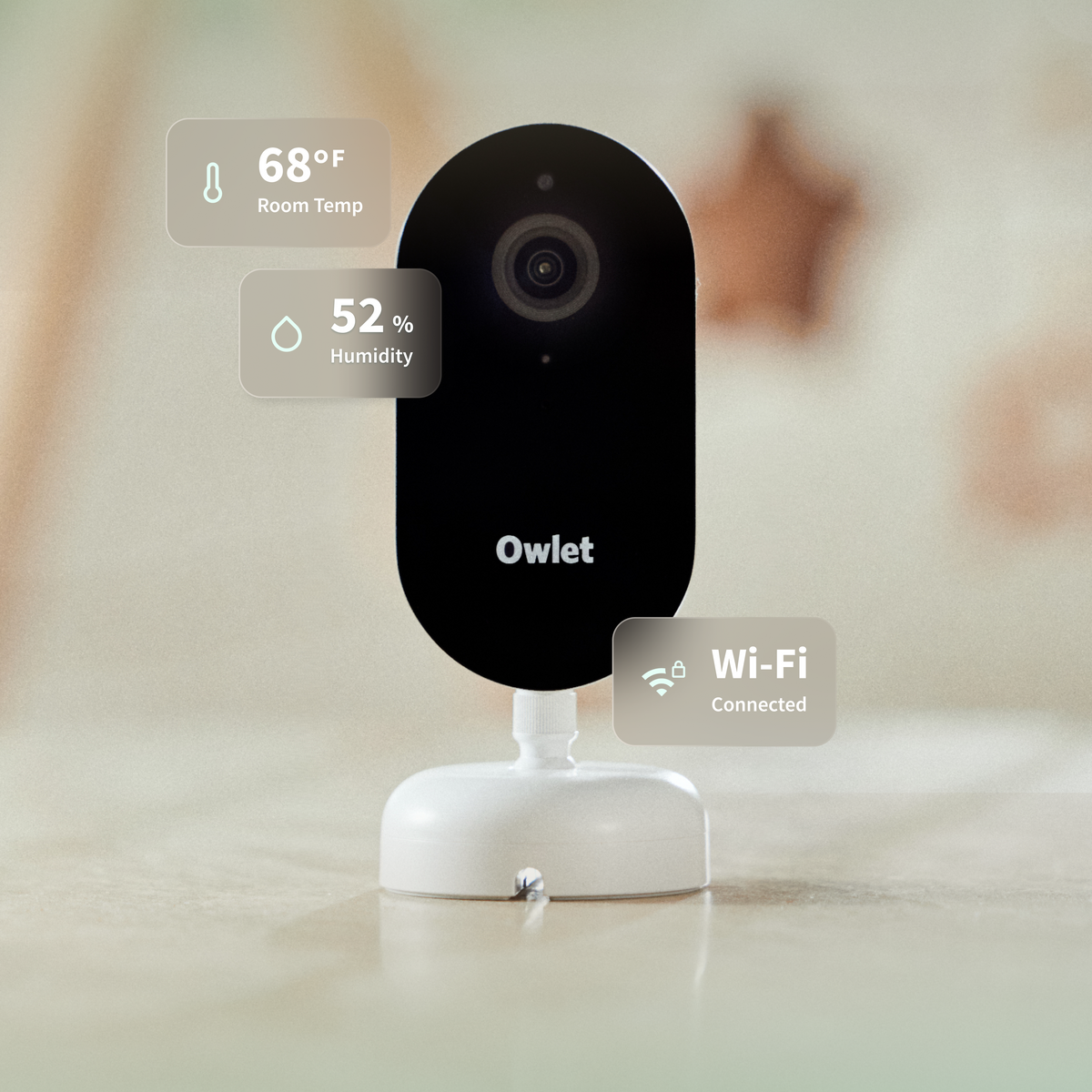
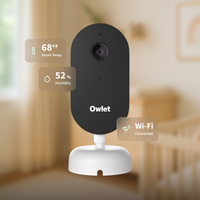
Dream Duo™ offers families the reassurance of Dream Sock, to track oxygen and pulse rate in real-time, and Dream Sight™ to have a clear view of their baby while they are sleeping, with room environment tracking.
-
Prescription-only BabySat® is a pulse oximeter featuring Owlet’s advanced, wire-free sock design for in-home monitoring of infants with medical needs. Prescribed by healthcare providers, BabySat uses advanced technology to monitor pulse rate and oxygen saturation alerting caregivers if readings deviate from physician-set ranges tailored for their infant’s condition.
-
Families often pair observations of their child's symptoms with Dream Sock data to decide whether to contact their pediatrician.
-
During respiratory seasons, some parents report that trend visibility helps them feel more prepared when discussing their concerns with their pediatrician.
These tools don’t diagnose or treat flu and aren’t a substitute for medical care, but they can provide timely, actionable insights during infant flu recovery.
Read real stories from Owlet parents here:
Individual parent experience; results may vary. Not medical advice. As a reminder, Dream Sock is intended to track babies’ pulse rate and oxygen level and keep parents informed, but it is not intended to diagnose, treat or cure any disease or other condition including, but not limited to, Sudden Infant Death Syndrome (SIDS) and/or Respiratory Syncytial Virus (RSV).
Preventing Flu Spread in Your Household and Community
Influenza spreads mainly via droplets from coughs and sneezes and can survive briefly on shared surfaces like toys and doorknobs, according to Nationwide Children’s Hospital. Practical steps make a difference:
-
Keep sick family members home and away from your baby until fever-free for 24 hours without fever reducers.
-
Wash hands often with soap and water for 20 seconds; use sanitizer when soap isn’t available.
-
Clean high-touch surfaces daily: doorknobs, toys, crib rails, phones.
-
Cough/sneeze into a tissue or your elbow; discard tissues promptly.
-
During peak transmission, avoid crowded indoor spaces with your infant when feasible.
-
Get eligible family members vaccinated each season (parents, siblings, caregivers).
These measures help with flu prevention in babies and can stop baby flu spread within your home.
Frequently Asked Questions
What are the common flu symptoms in babies?
Sudden high fever, cough, fatigue, runny or stuffy nose, and sometimes vomiting or diarrhea are common.
How long does the flu usually last in infants?
Most infants improve within 3–7 days, but cough or fatigue can linger for several weeks.
When should I contact a pediatrician about my baby’s flu?
Call if your baby has trouble breathing, signs of dehydration, persistent high fever, difficulty waking, worsening symptoms, or if you’re worried.
Can antiviral medications help my baby?
Yes, clinicians may prescribe antivirals for babies under two or those at higher risk, especially when started within 48 hours of symptom onset.
How can I prevent my baby from catching the flu?
Wash hands often, keep sick people away from your baby, clean shared surfaces regularly, and vaccinate all eligible household members.
Sources cited inline: AAP 2025–26 influenza recommendations; Nationwide Children’s Hospital on influenza in children; CDC 2025–26 season summary; reporting on the 2025 strain mismatch; CDC clinician training on seasonal influenza.
Dream Sock is intended to track baby's pulse rate and oxygen level and keep parents informed. Dream Sock is not intended to diagnose, treat or cure any disease or other condition, including but not limited to, Sudden Infant Death Syndrome (SIDS) and/or Respiratory Syncytial Virus (RSV). Medical decisions should never be made solely using Dream Sock data. Dream Sock should not substitute for the care and oversight of an adult or consultation with medical professionals.
BabySat is an FDA-cleared prescription only device, available in the U.S. only. BabySat pulse oximeter is indicated for use in measuring and displaying functional oxygen saturation of arterial hemoglobin (SpO2) and Pulse rate. It is indicated for spot-checking and/or continuous monitoring of well-perfused patients greater than one month old up to 18 months old and weighing between 6 and 30 lbs., in the home environment, and should be used in consultation with medical professionals. Medical decisions should not be made solely based on BabySat data.


