










7 Signs Your Baby Might Have the Flu – Quick Guide

The content provided on this blog is intended for informational and educational purposes only. It is not a substitute for professional medical advice, diagnosis, or treatment. Always seek the advice of a qualified healthcare provider with any questions you may have and to learn more about your child's specific needs.
Flu in infants can escalate quickly, so spotting early signs matters. If you’re asking, “How do I know if my baby has the flu?” look for a sudden high fever, unusual sleepiness, a persistent cough or fast breathing, vomiting or diarrhea with dehydration, extreme irritability, color changes (pale or bluish skin), or symptoms that improve then get worse. Babies, especially those under 6 months, are at higher risk for complications, so call your pediatrician promptly if you’re concerned, and seek emergency care for breathing trouble, bluish lips/face, seizures, or if your baby is hard to wake. The CDC notes that children under 2 are more likely to develop potentially serious flu-related complications, making early recognition and timely care essential (see CDC guidance on children at higher risk).
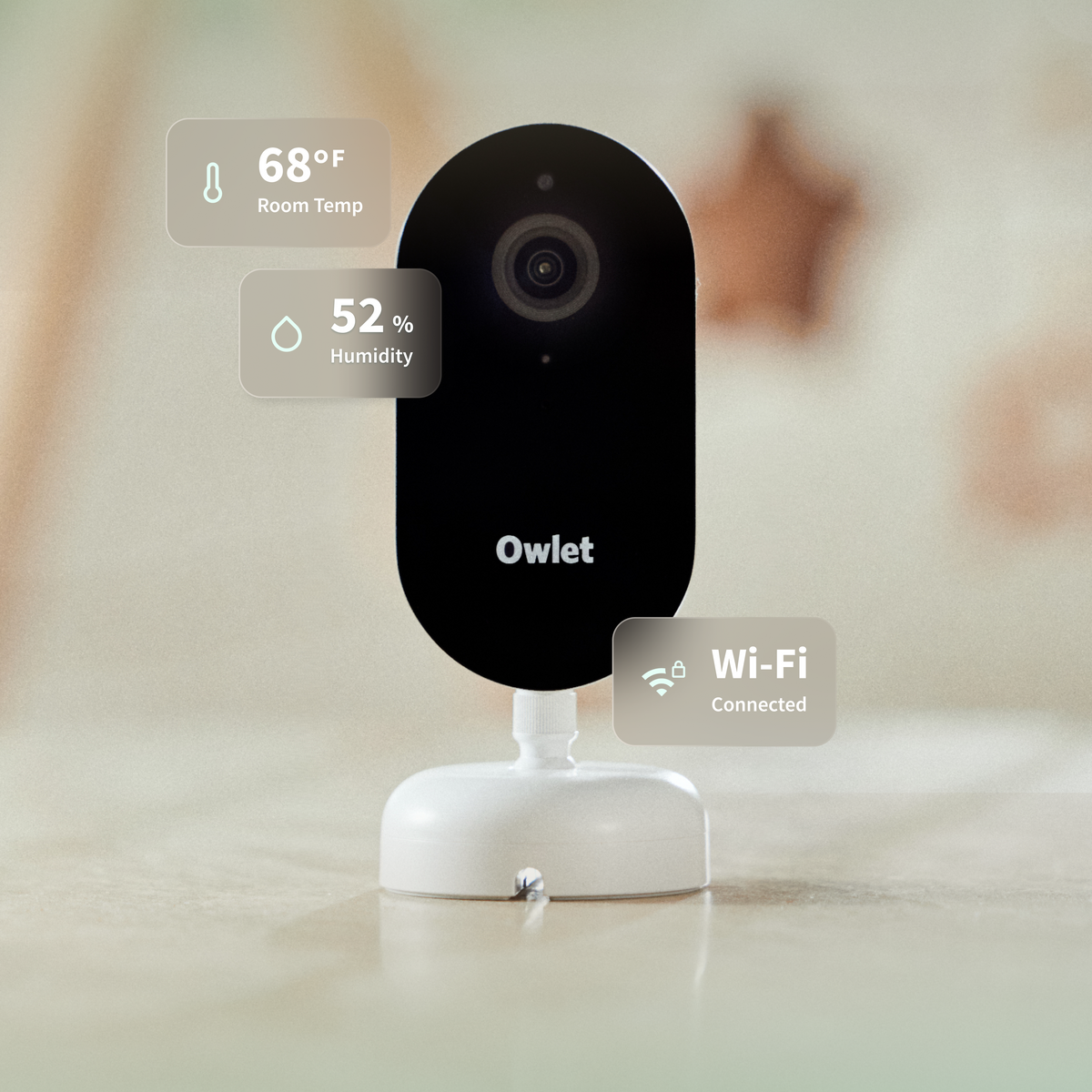
Owlet Smart Monitoring For Early Signals
Real-time oxygen saturation and pulse rate trends to supplement what you're seeing and your pediatrician's guidance
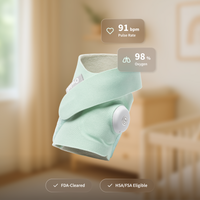
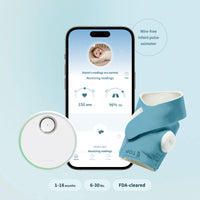
When viruses circulate, real-time health tracking can help you notice changes sooner. Owlet's FDA-cleared Dream Sock® is a pulse oximeter with medical-grade accuracy that tracks oxygen saturation and pulse rate to give parents a clearer picture of their baby’s status between check-ins. Pulse oximetry is a non-invasive method that measures the oxygen saturation level of the blood, an important indicator that can be relevant to respiratory health. Dream Sock data can provide added visibility, along with symptoms and your pediatrician's guidance, when you're deciding whether to check in. For added preparation, see Owlet’s sick-season toolkit for new parents.
If you're already concerned about symptoms, here are some examples of Dream Sock readings you may want to watch closely and discuss with your pediatrician:
-
Notable drops in oxygen saturation compared with your baby's usual readings
-
Unexplained, persistently high pulse rate at rest
-
Readings that look different when usual, paired with visible breathing difficulty (retractions, flaring, grunting)
-
Readings that don’t return to your baby’s usual baseline with soothing or rest
If your baby appears unwell or you see concerning symptoms, contact your pediatrician, even if device readings are normal.
1. High Fever and Sudden Temperature Spikes
Fever is one of the most actionable signs of flu. In infants, a high fever generally means a temperature at or above 100.4°F (38°C), and severe cases can spike higher than 104°F (40°C). Flu fevers often arrive abruptly and may be accompanied by chills and sweating, typically lasting several days, which helps distinguish them from colds (see Hopkins Medicine overview of influenza in children).
Typical Cold vs. Flu Fever
|
Feature |
Cold |
Flu |
|
Onset |
Gradual or none |
Abrupt, within hours |
|
Typical temperature |
Normal to low-grade (often under 100.4°F/38°C) |
100.4–104°F (38–40°C), sometimes higher |
|
Duration |
0–2 days if present |
3–4 days is common |
Use a reliable digital thermometer and log times/temperatures to share with your pediatrician.
2. Unusual Sleepiness and Lethargy
Babies sleep a lot, but flu-related tiredness stands out. Lethargy in infants means a marked decrease in energy. Your baby may be hard to wake, uninterested in feeding or play, or moves very little when awake. Being very tired or unusually sleepy is a recognized early sign of flu, especially when it follows a sudden fever (see March of Dimes guidance on flu and babies). If your baby is difficult to rouse or doesn’t seem alert between naps, call your pediatrician.
3. Persistent Cough or Abnormal Breathing
A persistent cough, rapid breathing, or visible work of breathing can point to flu-related respiratory involvement and warrants prompt assessment. Watch for:
-
Fast breathing or pauses in breathing
-
Grunting, flaring nostrils, or head bobbing
-
Chest retractions (sucking in between the ribs or at the collarbone)
Infants are at higher risk for complications like pneumonia and may decline quickly; seek medical care right away if these signs appear (see CDC: children at higher risk for complications). RSV can look similar; compared with flu’s abrupt high fever, RSV more often causes prominent wheezing and significant breathing effort in babies.
4. Vomiting, Diarrhea, and Signs of Dehydration
Gastrointestinal symptoms are common in young children with flu; research suggests about 40% of infants and children under 4 experience vomiting or diarrhea during influenza (see review on GI symptoms of influenza in children). Dehydration means the body is losing more fluid than it takes in. In babies, watch for fewer wet diapers, dry mouth or lips, no tears when crying, sunken eyes or soft spot, and decreased energy. Call your pediatrician if your baby won’t drink, is having fewer wet diapers than usual, or is vomiting repeatedly.
5. Extreme Irritability or Reduced Interaction
Behavioral shifts can be an early sign of serious illness. Extreme irritability, inconsolable crying, or a clear drop in interaction, such as not tracking with the eyes or not responding to comfort, may signal flu in infants and should prompt a call to your pediatrician (see Texas Children’s guidance on flu symptoms). Focus on changes from your baby’s normal: what’s new, more intense, or lasting longer.
Concerning behaviors to watch:
-
Limpness or markedly decreased movement
-
Failure to make eye contact or track faces
-
Unresponsiveness to usual soothing or feeds
6. Pale, Gray, or Bluish Skin and Seizures
Color changes such as pale, gray, or bluish lips/skin suggest dangerously low oxygen levels and are medical emergencies. A seizure is an episode of abnormal electrical activity in the brain that can cause convulsions, staring, loss of awareness, or unusual movements. Seek emergency care immediately if you see these signs (see Mayo Clinic overview of flu symptoms and complications).
7. Symptoms That Improve Then Worsen or Very High Fever in Young Infants
Most babies recover steadily over several days. If symptoms sharply worsen after initial improvement, a new or returning high fever appears, or a rash develops, seek urgent evaluation. Any fever in infants under 12 weeks, and especially under 6 months, requires immediate contact with a healthcare provider due to higher risk of serious bacterial and viral illness.
When to call your pediatrician right away:
-
Fever in a baby under 3 months
-
Symptoms improving, then worsening (new fever, cough, or rash)
-
Signs of dehydration or poor intake
-
Persistent high fever (e.g., 104°F/40°C) or fever beyond 3 days
-
Fast or hard breathing, or concerning behavior changes
When to Contact Your Pediatrician or Seek Emergency Care
Red flags needing immediate medical attention: trouble breathing, blue or gray lips/face, seizures, inability to wake or stay awake, signs of severe dehydration, or symptoms that worsen after initial improvement. Babies under 2 years, especially those under 6 months, are at higher risk for complications and may deteriorate rapidly.
When to go to the ER vs. Call your pediatrician
|
Situation |
Best next step |
|
Blue/gray lips or face; severe breathing difficulty; seizure; unresponsive or very hard to wake |
Seek emergency care or call emergency services |
|
Fever under 3 months old; persistent high fever; dehydration signs; worsening after improvement; persistent cough with fast breathing |
Call your pediatrician immediately for same-day guidance |
|
Mild fever, runny nose, occasional cough, feeding fairly well |
Call your pediatrician during office hours for advice and observation tips |
How to Support Your Baby’s Recovery at Home
-
Offer frequent fluids: breast milk or formula on demand to maintain hydration.
-
Keep your baby comfortable: dress in light layers, use a cool-mist humidifier, and suction gentle nasal mucus if advised.
-
Use fever reducers only if your pediatrician recommends appropriate dosing for age and weight.
-
Limit exposure to others and prioritize rest.
-
Health monitoring: tools like Owlet can help track oxygen saturation and pulse rate trends for added peace of mind.
-
Expect gradual improvement over 3–7 days; cough and fatigue may linger longer. Recheck with your pediatrician if symptoms plateau or worsen.
Frequently Asked Questions
What are the main signs of flu in babies versus a cold?
Flu often starts abruptly with a high fever, marked sleepiness, and poor feeding; colds usually develop gradually with milder fever and more congestion.
How quickly do flu symptoms appear in infants?
Symptoms often come on within hours. Your baby may shift from well to feverish and fatigued within the same day.
When should I take my baby to the emergency room for flu symptoms?
Seek emergency care for breathing trouble, persistent high fever in a baby under 3 months, seizures, bluish lips/skin, or if your baby is hard to wake.
How can I tell if my baby is dehydrated from the flu?
Look for fewer wet diapers, dry lips or mouth, no tears when crying, sunken eyes or soft spot, and low energy.
How long does the flu usually last in babies?
Most babies improve within 1–2 weeks, though cough and tiredness can linger as they recover.
My baby has an underlying health condition. How is prescription BabySat different from Dream Sock?
BabySat® is not the same product as Dream Sock, as BabySat is an FDA-cleared medical device to be prescribed by healthcare providers in the US and Dream Sock is a consumer product. BabySat is intended for infants between 1-18 months of age whom a healthcare provider determines could benefit from additional monitoring at home. Certain underlying health conditions could indicate that BabySat is a good fit for your baby. Learn more here.
Dream Sock is intended to track baby's pulse rate and oxygen level and keep parents informed. Dream Sock is not intended to diagnose, treat or cure any disease or other condition, including but not limited to, Sudden Infant Death Syndrome (SIDS) and/or Respiratory Syncytial Virus (RSV). Medical decisions should never be made solely using Dream Sock data. Dream Sock should not substitute for the care and oversight of an adult or consultation with medical professionals.
BabySat is an FDA-cleared prescription only device, available in the U.S. only. BabySat pulse oximeter is indicated for use in measuring and displaying functional oxygen saturation of arterial hemoglobin (SpO2) and Pulse rate. It is indicated for spot-checking and/or continuous monitoring of well-perfused patients greater than one month old up to 18 months old and weighing between 6 and 30 lbs., in the home environment, and should be used in consultation with medical professionals. Medical decisions should not be made solely based on BabySat data.


